STISA Quality Control
STISA rifle scopes undergo comprehensive and rigorous testing that meets top international standards, demonstrating exceptional shock resistance, corrosion resistance, and the ability to withstand extreme temperatures, along with excellent waterproof, dustproof, and fog-proof performance. Whether in harsh and extreme climates, during prolonged transportation, or under the powerful recoil of large-caliber firearms, STISA scopes maintain outstanding stability and precision. Its sophisticated optical system and robust structural design ensure flawless performance even under high-stress conditions, providing shooters with strong and reliable tactical support. Backed by stringent quality management and superior craftsmanship, STISA scopes are the trusted choice for professional marksmen and outdoor enthusiasts alike, especially in the most demanding environments.
Shock Test – Extreme Durability
Testing Procedure:
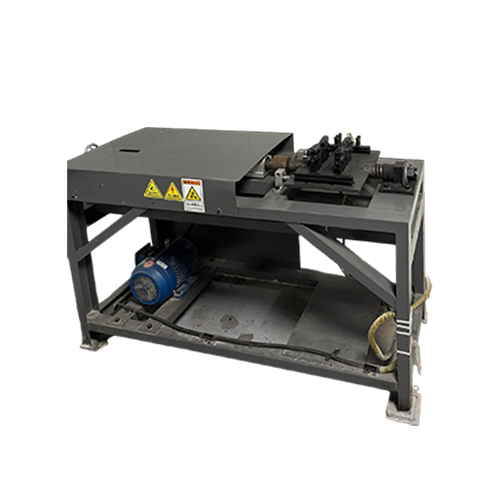
Shock Test Equipment: A professional shock testing machine is used to simulate real-world recoil and external impacts similar to those experienced in actual shooting environments.
Test Protocol: Every STISA scope must undergo 1,000 cycles of 1,000G shock tests. After each cycle, the point of aim is measured to ensure the optical system and mechanical structure maintain their integrity.
Test Results:
After 1,000 shock cycles, STISA scopes consistently maintain ≤0.75 MOA accuracy at 100 yards, demonstrating minimal deviation even under extreme impact—ensuring reliable shooting precision.
Industry Benchmark:
STISA scopes meet the MIL-STD-810G shock resistance standard, a globally recognized benchmark for military-grade durability in harsh environments. In contrast, many consumer-grade scopes on the market fail to withstand such rigorous testing.
Salt Spray Test – Superior Corrosion Resistance, All-Weather Reliability
Testing Procedure:
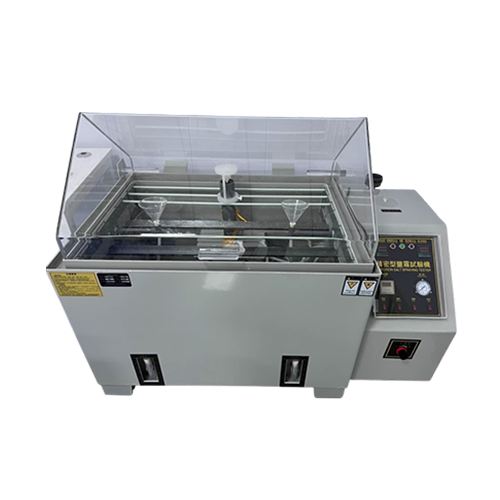
Salt Spray Equipment: A professional-grade salt fog chamber is used to simulate high humidity, salinity, and corrosive conditions to evaluate resistance performance.
Test Protocol: Each STISA riflescope is exposed to a 5% saline solution continuously for 500 hours. Both external and internal components are inspected periodically for any signs of rust, oxidation, or degradation.
Test Results:
Even after prolonged exposure to highly corrosive conditions, STISA scopes maintain a smooth, unblemished metal surface with no signs of corrosion. This demonstrates STISA’s exceptional resistance to harsh environments and its ability to deliver consistent reliability under challenging outdoor conditions.
User Feedback:
"I used the STISA scope in a very humid environment, and it performed flawlessly. There was no corrosion on the body, and the optics stayed crystal clear."
— Feedback from an outdoor hunter
Vibration Test – Precision Retention for Reliable Transport
Testing Procedure:
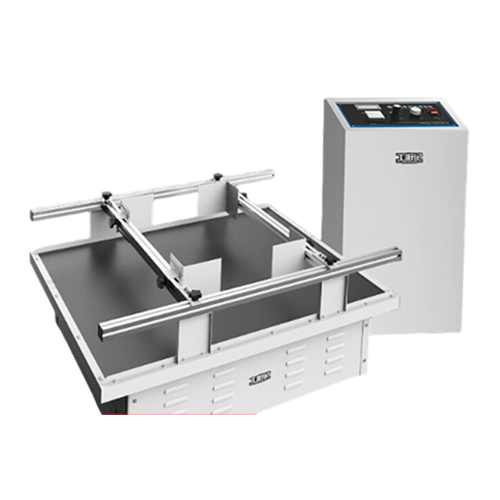
Vibration Equipment: A certified vibration table is used to simulate the shaking and jolting that occurs during long-distance transportation or tactical movements in the field.
Test Protocol: Each STISA riflescope undergoes 1 to 1.5 hours of continuous vibration across a broad frequency spectrum—from low to high—to accurately replicate real-world handling and transport conditions.
Test Results:
Following the vibration test, the optical and mechanical structures of the STISA scope remain completely intact, with no component shift or loosening detected. This ensures that the scope retains consistent accuracy and structural integrity even after rigorous movement, making it a dependable choice for field operators and long-haul transport scenarios.
Drop Test – Precision Maintained After Accidental Impact
Testing Procedure:
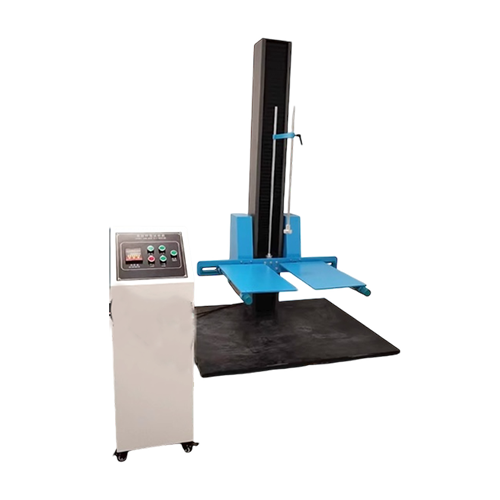
Test Protocol: STISA riflescopes are dropped repeatedly from a height of 3 to 6 feet onto a solid concrete surface, simulating real-world accidents that might occur during field use or tactical operations.
Test Results:
After multiple drops, the STISA scope remains fully functional. The optical system shows no signs of damage, structural components remain secure, and the point of aim does not shift. This proves that STISA scopes offer exceptional durability and dependability, even in harsh, unpredictable conditions.
Customer Testimonial:
“During a mountain hunt, my STISA scope accidentally slipped out of my pack and hit a rock. I thought it was done for—but to my surprise, it was completely undamaged and still dead-on accurate.”
— Feedback from Jack, outdoor user
Temperature Test – Reliable Precision in Extreme Heat and Cold
Testing Procedure:
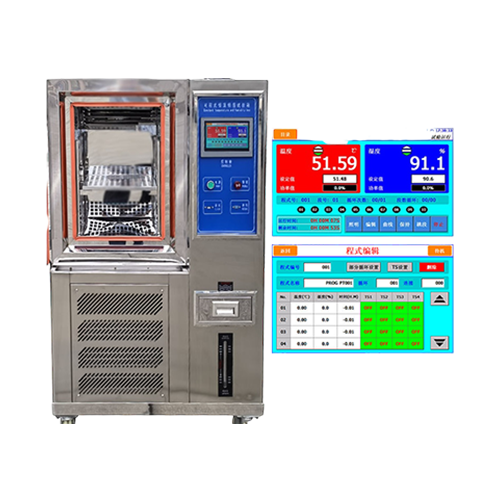
Equipment Used: A professional thermal chamber simulates extreme high and low temperature environments.
Test Protocol: STISA scopes are exposed to continuous temperatures ranging from -30°C to 40°C for 48 hours, evaluating the integrity of both optical and mechanical systems under environmental stress.
Test Results:
STISA scopes perform flawlessly under both freezing cold and intense heat. The optical clarity remains sharp without internal fogging, and the mechanical components show no signs of deformation or malfunction. Functionality remains consistent, ensuring dependable performance in all weather conditions.
Industry Benchmark:
STISA scopes are tested to meet the MIL-STD-810G temperature endurance standard, a globally recognized benchmark for military-grade performance under extreme climatic conditions. Compared to typical consumer-grade optics, STISA products offer significantly superior thermal reliability.

Rapid Temperature Shift Test – Fog-Free Optics, Stable Under Sudden Climate Changes
Testing Procedure:
Conditions: STISA scopes undergo 10 rapid cycles between +40°C and -30°C, simulating scenarios such as moving between indoor warmth and frigid outdoor environments.
Objective: To assess the resilience of optical clarity and structural stability when exposed to sudden and extreme temperature fluctuations.
Test Results:
Even after repeated rapid temperature shifts, STISA scopes remain crystal clear and completely fog-free. Thanks to precision-engineered sealing and internal anti-fog systems, the scopes deliver consistent performance and visibility in volatile climates—whether in alpine cold, humid forests, or sudden environmental transitions.
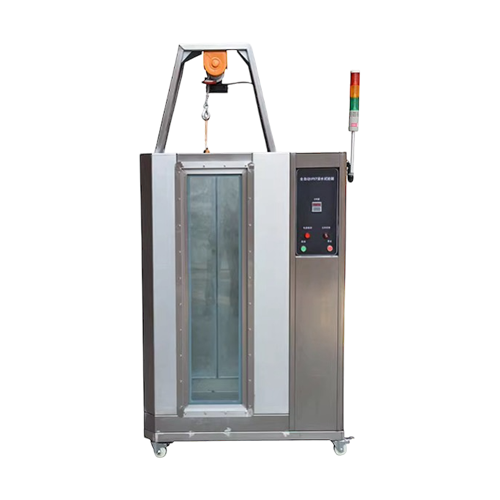
Waterproof Test – Superior All-Weather Water Resistance
Testing Procedure:
Method: STISA scopes are submerged underwater at a depth of 5 meters for 30 minutes, simulating extreme conditions such as heavy rain, water crossings, or accidental immersion.
Focus: Assess internal water ingress and overall waterproof integrity.
Test Results:
STISA scopes meet the stringent IPX7 waterproof standard. After submersion, no water intrusion or functional damage occurs, guaranteeing consistent performance and clear vision during rain, wet environments, or unexpected water exposure.
transitions.
Sealing Test — Dustproof and Fogproof in Any Climate
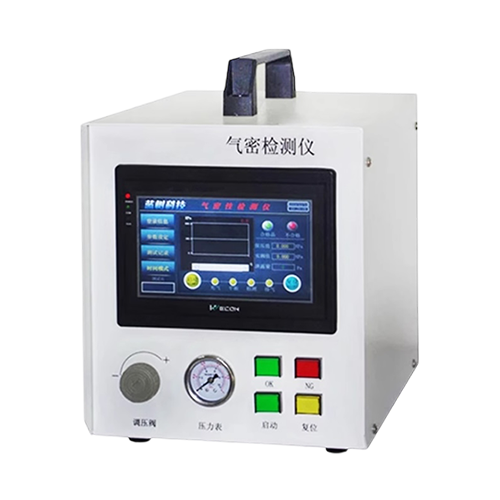
Testing Procedure:
Process: STISA scopes feature premium O-ring seals and nitrogen purging technology. They undergo rigorous sealing tests to ensure complete protection of internal optical components from dust and moisture ingress.
Focus: Verify sealing integrity and anti-fog performance under extreme dusty or humid conditions.
Test Results:
Even in highly dusty environments, STISA scopes maintain outstanding dustproof and fogproof performance, safeguarding internal structure and optics for long-term stability—ensuring users enjoy clear and stable vision regardless of the environment.
STISA Rifle Scope – Mold Resistance Testing
To ensure the exceptional reliability of STISA rifle scopes in humid and high-moisture environments, we conduct rigorous mold resistance testing. This simulates the harsh conditions of tropical and subtropical climates to verify the scope’s antifungal properties, ensuring long-term protection against mold growth during extended use.
Mold Resistance Testing Procedure:
Test Environment: STISA scopes are placed in a specialized mold incubation chamber where humidity is maintained above 95% and temperature is controlled between 28°C and 30°C, with airborne mold spores present
Testing Process: STISA scopes are exposed to these high-temperature, high-humidity conditions for 28 days, with regular inspections of both external surfaces and internal optical components for signs of mold growth or corrosion.
Surface Treatment: Prior to testing, STISA scopes undergo anti-mold surface treatment to ensure that their materials and sealing structures effectively resist mold growth even under continuous humid conditions.
Test Results:
Excellent Mold Resistance: After 28 days of exposure to extreme humidity, no mold or corrosion is found on the exterior, lenses, or internal optical systems of STISA scopes.
Optical Performance Maintained: The clarity and brightness of the optics remain unaffected by the humid conditions, demonstrating reliable performance in harsh climates.
Conclusion:
STISA rifle scopes deliver outstanding performance in mold resistance tests, proving their durability and stability in damp and high-temperature environments. Whether used in tropical rainforests or other moisture-rich regions, STISA scopes consistently maintain clear optical images and stable functionality, providing shooters with dependable precision support.