
“On Border Patrol at Night, STISA Is Your ‘Watchtower Light'”

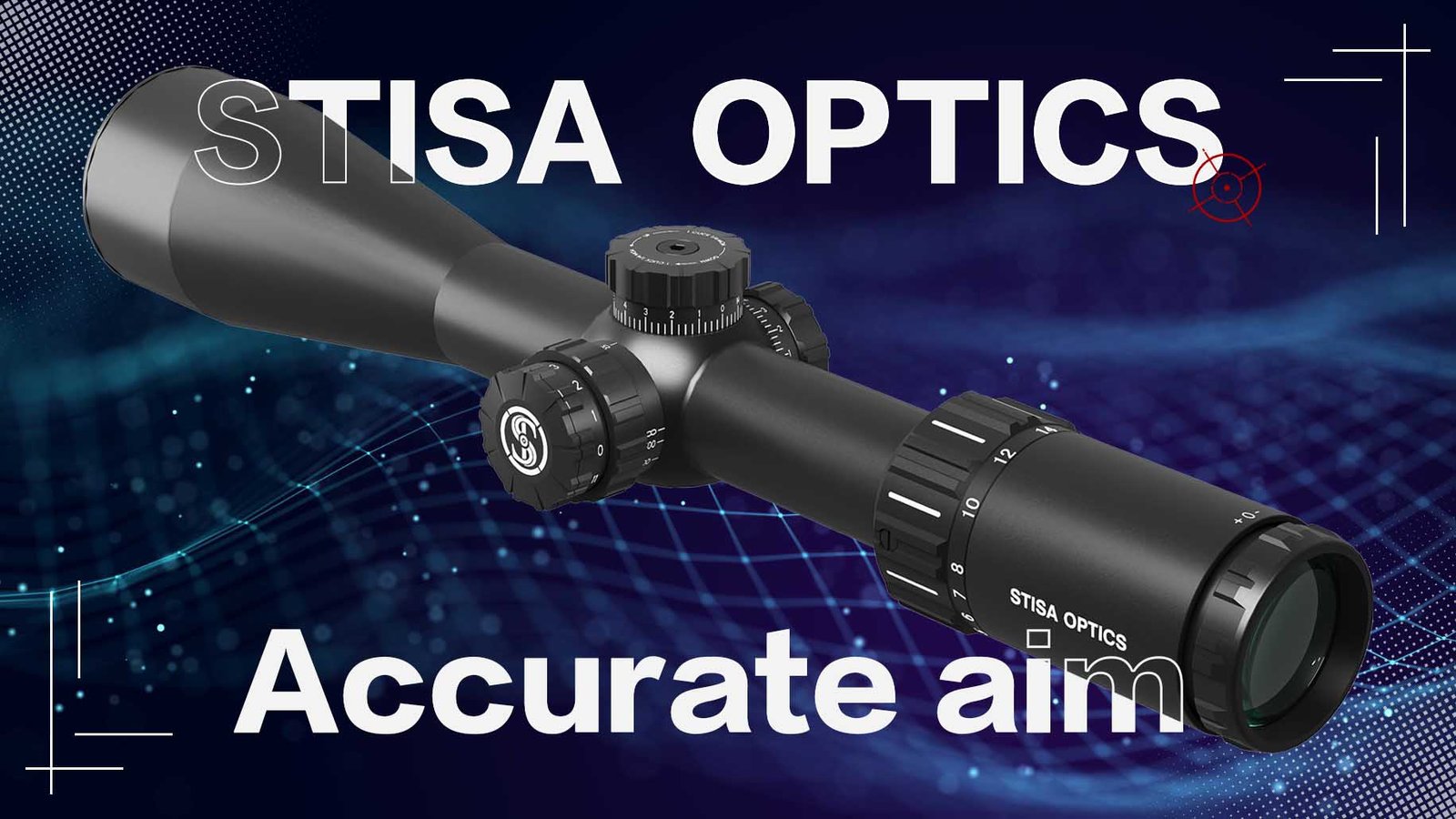
📍 Border outposts need more than rifles—they need optical vigilance
Patrolling the border isn’t about muddy firefights—it’s about maintaining alertness through long nights.
Signs in the dark—like rustling grass, distant shadows, flickers of reflection—challenge your visual acuity and situational awareness.
The STISA Night‑Sniper series is like the border guard’s optical beacon—never off, never blurred.
🔦 It’s not night vision—but it’s ‘night‑vision confidence’
STISA won’t identify faces at 700 m.
But it won’t fog up, glare, or shift color when spotting movement at 100–200 m.
With red/green reticle options, night‑light adjustment, and zero electronics—it’s not a “cheap substitute” for NVGs.
But when the unexpected occurs, you still see presence, still see reactions—that’s non‑negotiable.

🌙 Day and night shifts push optical craft to its limits
Border nights bring wind‑blown dust, drastic temperature swings, and sudden humidity.
Most scopes lose zero.
STISA’s nitrogen‑filled body, full‑metal shock‑resistant build, and multilayer coatings preserve zero and clarity—even in desert marsh or sandstorms.
Give it to your scope—STISA will still whisper: “The target is out there.”
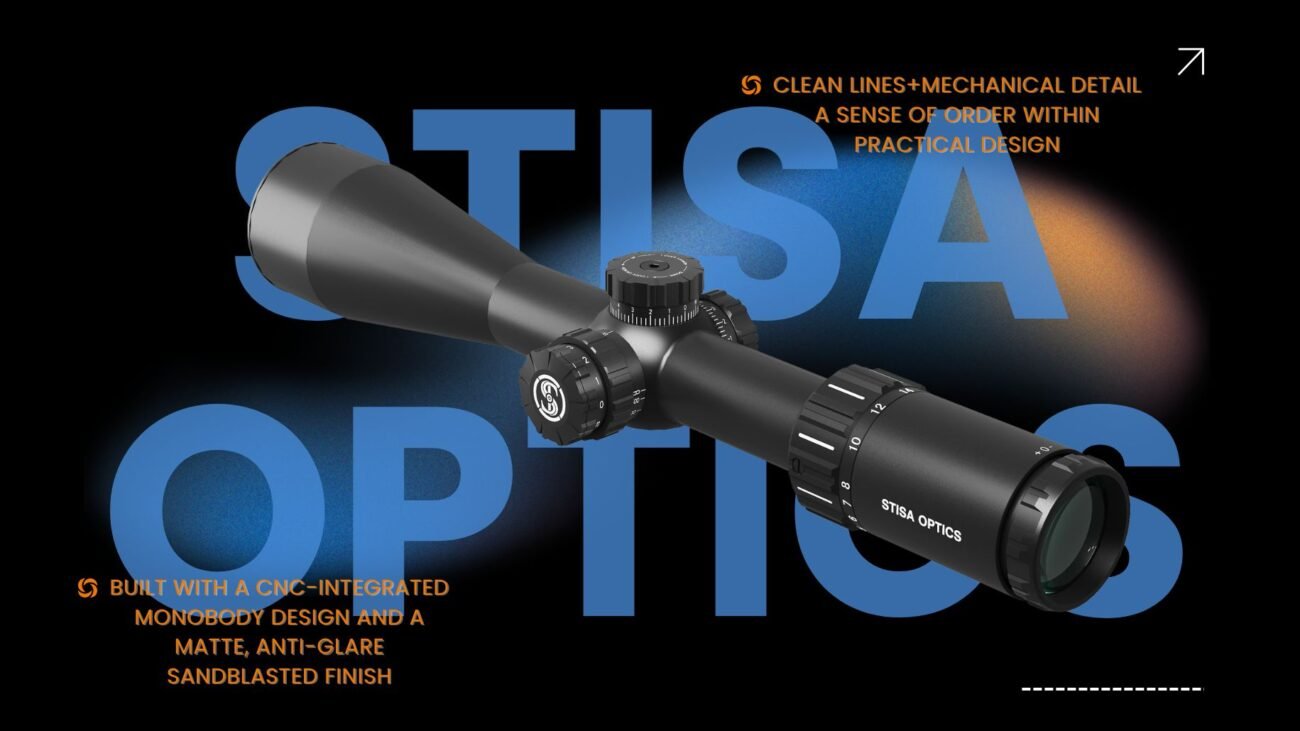
🧭 A sentry’s breath synced with the scope’s heartbeat
You might not make a sound by the window—but your optic must “alert you”:
The kettle hums, and you detect movement;
The wind picks up, and grass rustles;
You hear distant breathing or footsteps.
STISA lets you see the cause and react swiftly: move or hold.
On a border watch, the ability to judge is real combat power—STISA amplifies your speed and consistency of vision-based decisions.
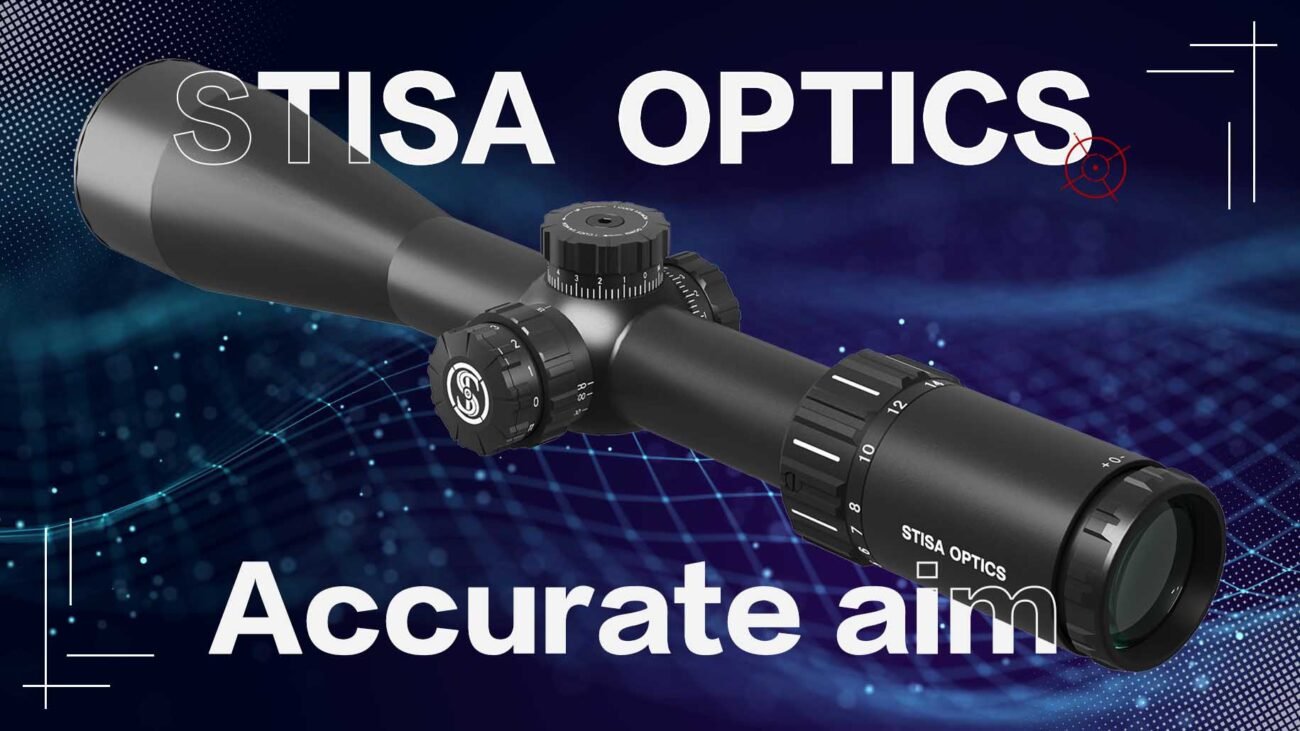
📍 Vigilance is a discipline, not a spectacle
Daily patrols or stakeouts often mean little more than “watching two points, walking a few lines, noticing one tremor.”
You don’t need flashy effects. You need structural reliability, intelligent design, and optics that withstand harsh conditions.
STISA won’t shout what happens—but it will let you see what’s happening—and that is true stability.