
Let us help you find the perfect riflescope for your needs.

Have you experienced any of the following:
1、Can’t hit the target? Your zero keeps shifting after a few shots.
2、Blurry optics? Bright light causes glare and “washed out” images.
3、Severe parallax? Your reticle shifts just by changing shooting position.
4、Zoom distortion? Reticle moves or scales oddly when magnifying.
5、Heavy! Really heavy! Holding it too long makes your arms ache.
6、Illumination too bright? Too dim? No comfortable middle ground!
🎯 How to Choose Your First Riflescope: 5 Key Tips for Beginners to Avoid Costly Mistakes
If you’re new to shooting, hunting, or tactical training, picking your first optical riflescope can be overwhelming:
“Is higher magnification always better?”
“Do I need aerospace-grade aluminum?”
“Red dot or scope?”
“Why can’t I hit the target even when I aim properly?”
Don’t worry. This guide will help you avoid the most common beginner traps and teach you how to choose the right riflescope using 5 essential criteria.
🔍 1. Define Your Use Case – Don’t Just Chase “Top Specs”
There’s no such thing as a “universal” riflescope. Each scenario requires a different feature set:
✅ Beginner Tip: Start with a 1–6x or 1–8x variable scope to cover both close and mid-range effectively. Easy to learn, highly versatile.
🧭 2. Choose FFP (First Focal Plane) for Better Accuracy and Learning
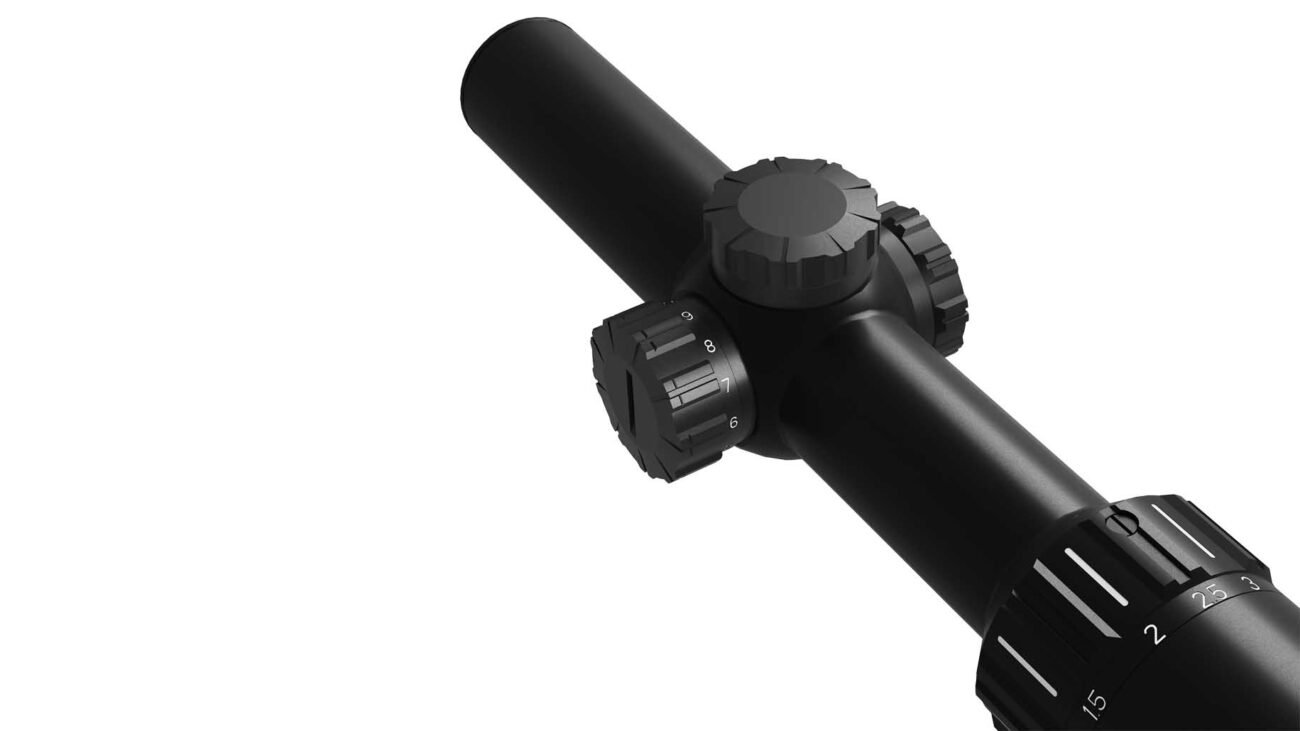
For beginners, an FFP reticle that scales proportionally with magnification keeps measurements consistent — ideal for rangefinding and bullet drop compensation.
In contrast, SFP reticles stay the same size visually, but lose accuracy at different magnifications.
✅ FFP is more efficient and error-proof in real scenarios — a better long-term investment.
3. Lightweight ≠ Weak. It’s About Material Efficiency!
Many beginners believe “heavier = more durable.” In reality, excess weight affects rifle handling, endurance, and agility.
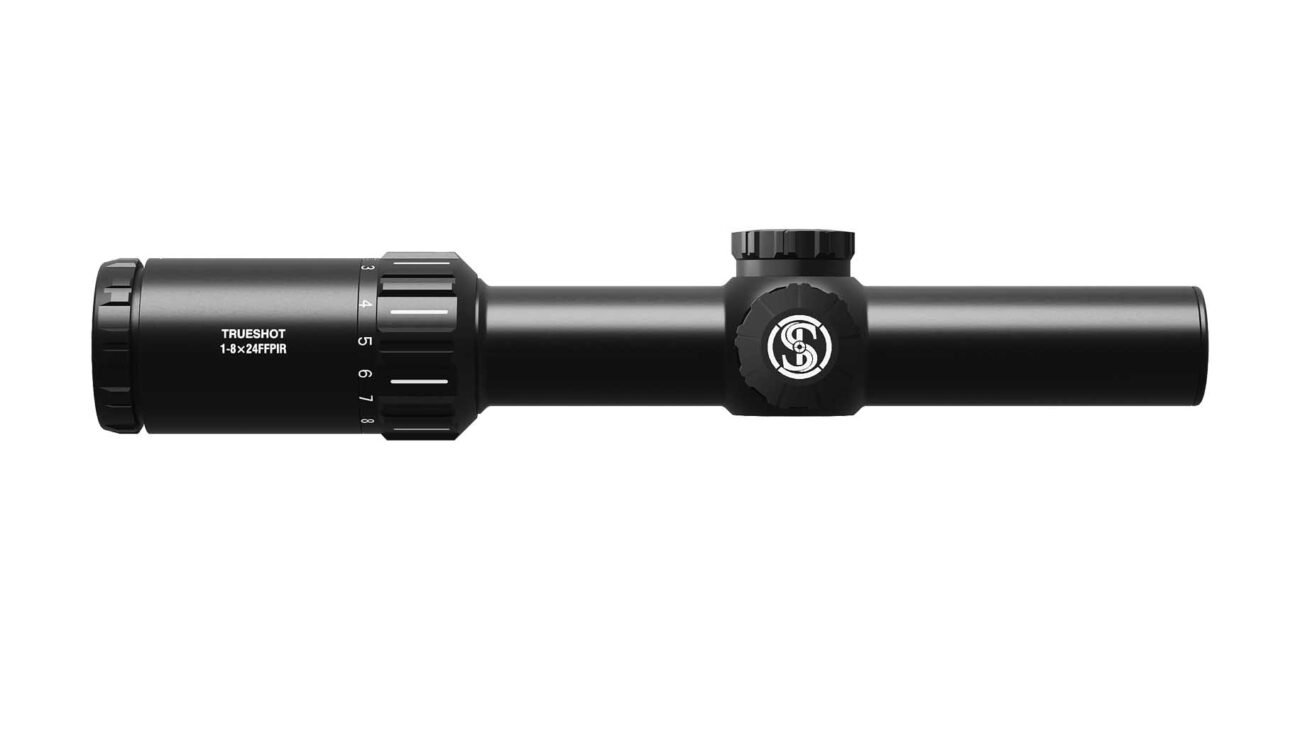
Look for scopes made with 6065 High-Strength Eco Aluminum Alloy, which provides:
Sufficient durability to handle recoil from calibers like .308
Corrosion-resistant, shockproof, and suitable for all environments
Lightweight for extended field use and dynamic movement
Excellent manufacturability — better value than overbuilt 7075 alloys
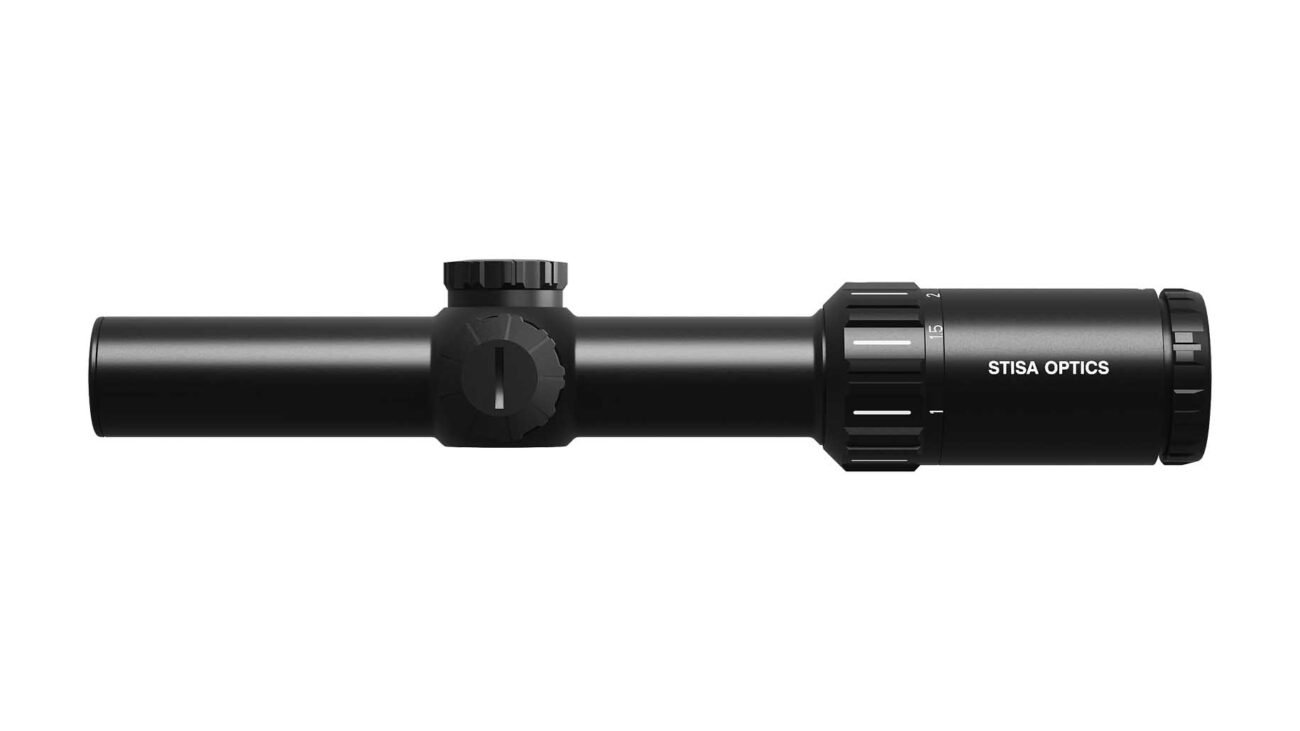
✅ Brands like STISA Optics use 6065 for its perfect balance between performance and practicality.
🔋 4. Pay Attention to Field Experience — Not Just Specs!
As a beginner, focus on the following key usability points:
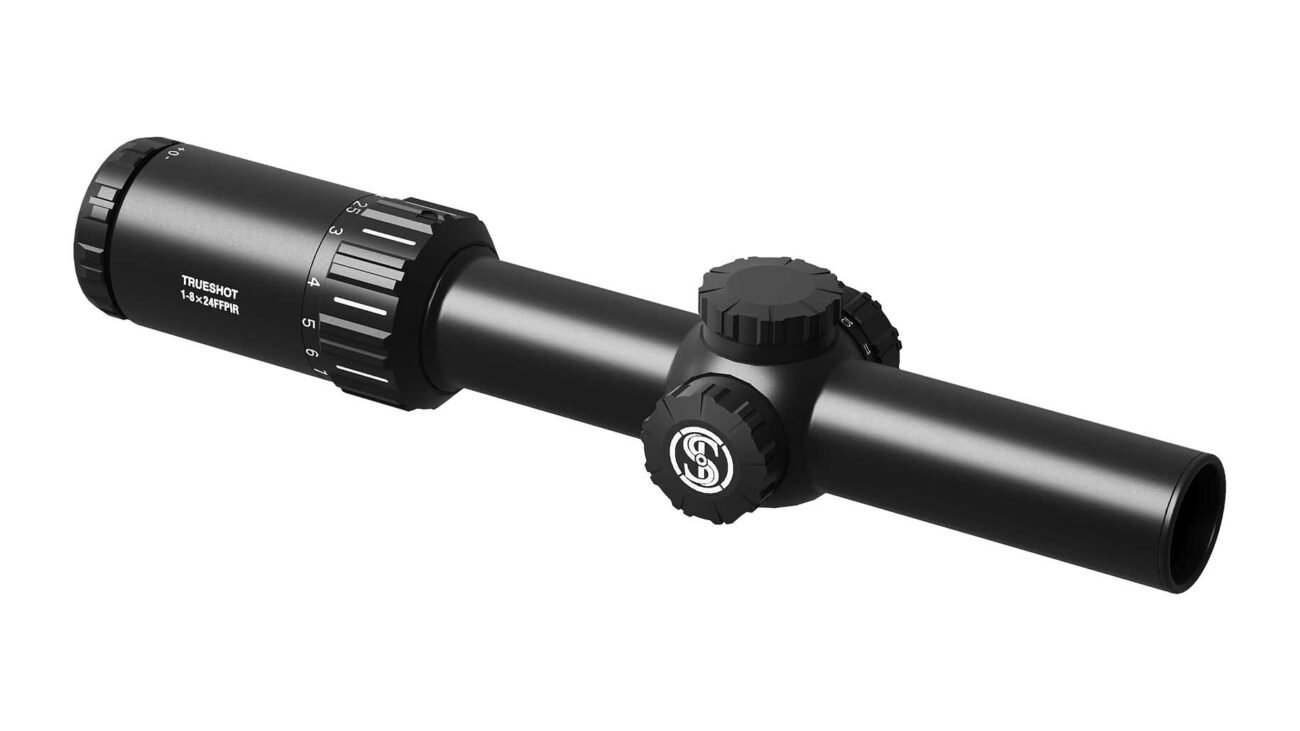
Eye Relief: Minimum 80mm to avoid “scope bite” from heavy recoil
Illumination: Red/green adjustable reticle lighting for low-light shooting
Field of View: Wider FOV at low magnification makes target tracking easier
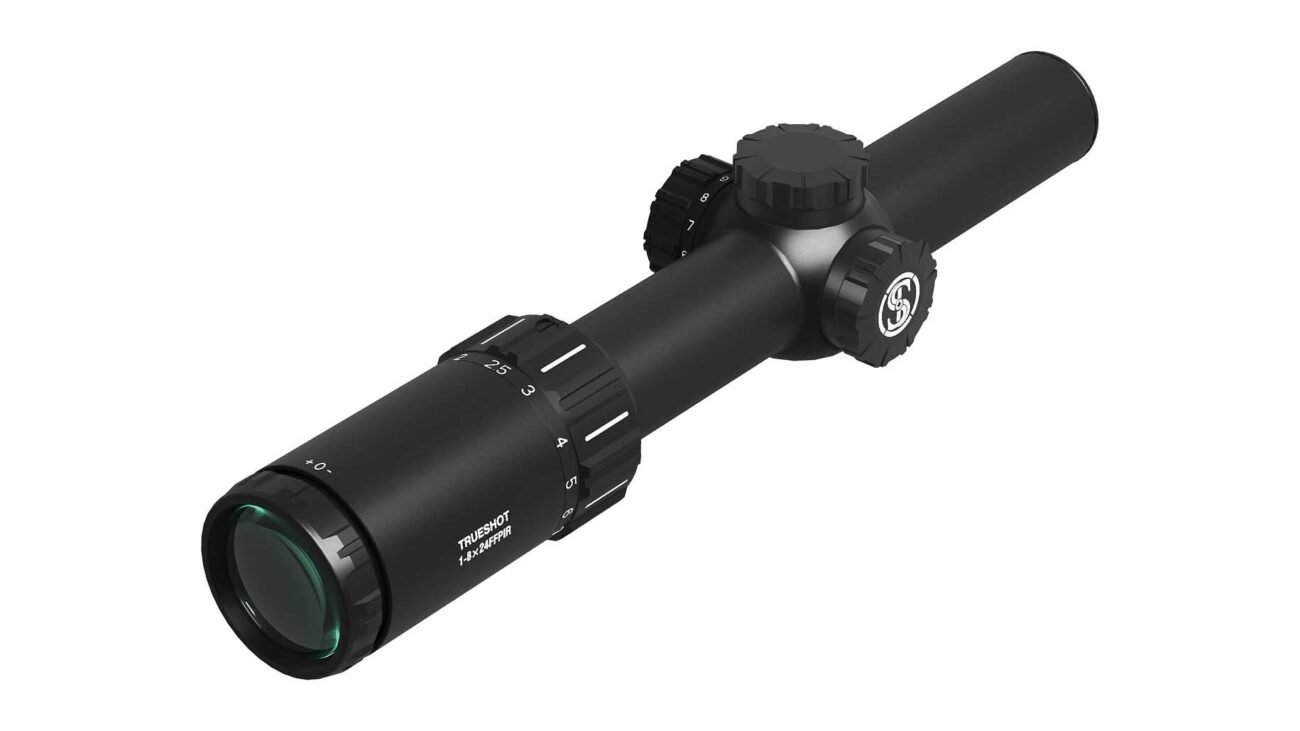
Turrets: Crisp, tactile elevation/windage adjustment knobs with clear returns
✅ Always test scope clarity, reticle sharpness, and turret feel in-hand — better than relying on specs alone.
🧰 5. Mount Compatibility Matters More Than You Think
Different rifles require different mounting systems. Beginners should check:
Compatibility with Picatinny / Weaver rails
Whether mounts or quick-detach rings are included
Whether spacer rings or risers are needed for installation
✅ Choose “ready-to-mount” scopes to avoid technical issues during setup.
As a beginner, you don’t need the most expensive scope — but you absolutely need the right one.
Remember:
✅ Function-focused
✅ Clear optics
✅ Stable construction
✅ Intuitive to use
✅ Great value
Choosing your first riflescope wisely is the first step from “beginner” to “marksman.”