
From Combat to Polar Trials — The Professional Trust Behind STISA Scope Materials

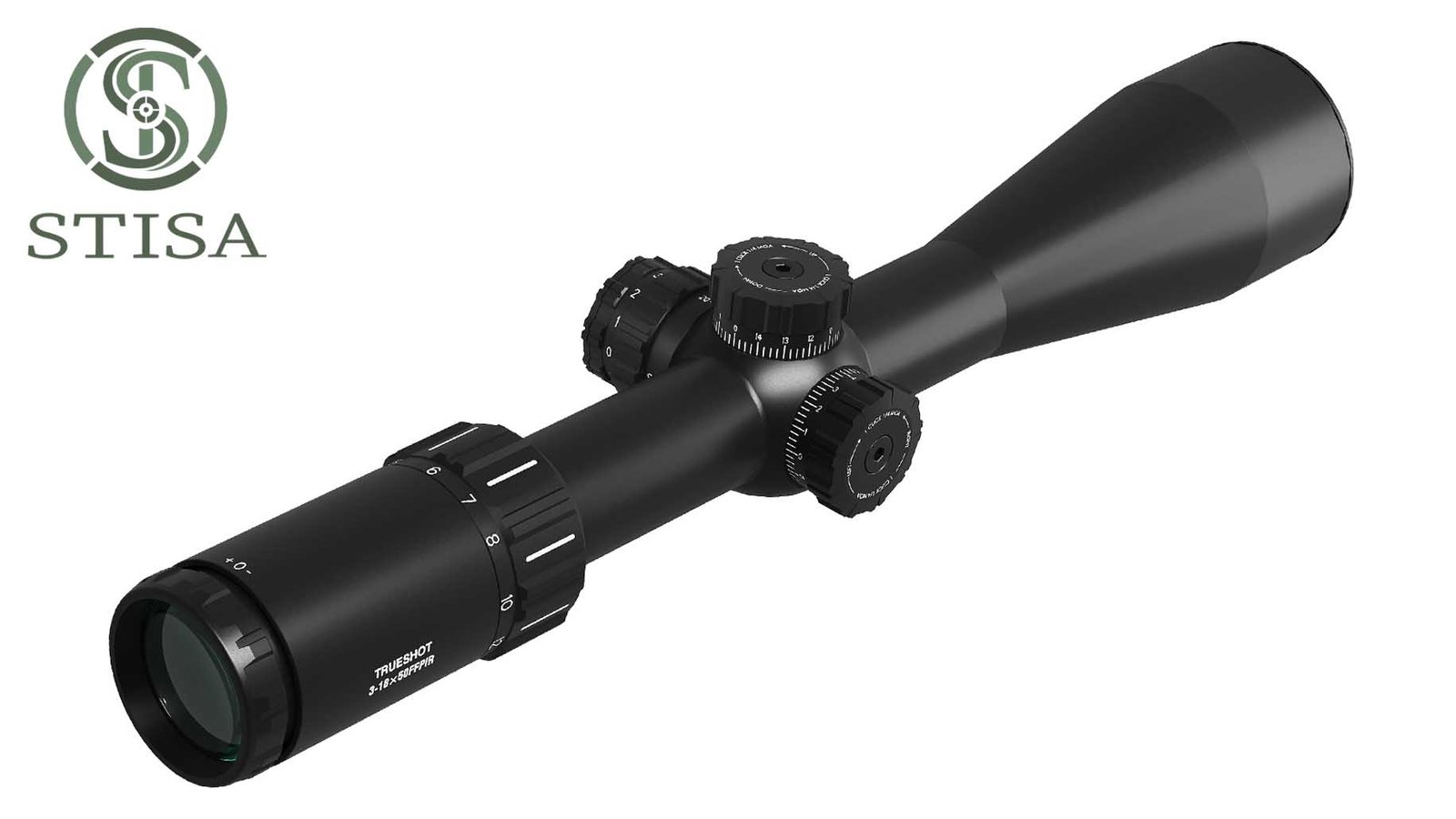
In the world of optical rifle scopes, most manufacturers emphasize optical clarity and magnification, but often overlook a “silent” factor—body material. For military, police, and professional hunting users, a reliable scope must withstand complex, dangerous, and unpredictable environments. STISA stands out in the industry largely due to its core structure made of 6065 high-strength, eco-friendly aluminum alloy. This is not just a material upgrade—it’s the foundation of professional-grade trust.
1. Combat-Proven: Shock Resistance That Speaks for Itself
6065 aluminum alloy is over 15% stronger than the common 6061 variant. During high-frequency shooting, it effectively absorbs vibration, preventing loosening and optical displacement. Real-world feedback from elite special forces and tactical shooting units worldwide confirms: even under sustained fire from M4s or 7.62mm rifles, STISA scopes retain structural integrity and hold zero reliably.
Pain Point Addressed: High-recoil firearms often knock scopes off zero—STISA’s robust build eliminates that risk.
2. Scratch-Resistant Shell: Your Scope Deserves Skin and Bones
In the field, scopes inevitably contact rocks, branches, and metal gear. Ordinary materials get scratched, corroded, or even cracked over time. 6065 alloy, hardened through anodizing, offers exceptional wear resistance. Its shell hardness approaches that of ceramics without becoming brittle. Even after frequent abrasions, it maintains a like-new appearance.
Pain Point Addressed: Users worry about visible “battle damage” affecting resale and reliability—STISA protects both form and function.
3. Structural Stability: Precision Optical Alignment That Lasts
6065 aluminum is not only strong but also resistant to deformation—critical for keeping optical assemblies perfectly aligned. Cheaper scopes often suffer internal lens shift over time due to subtle body warping. STISA scopes are CNC-machined from a single solid aluminum block, ensuring tight component fits and long-term optical stability.
Pain Point Addressed: Misaligned lenses can ruin field performance. STISA ensures lasting imaging accuracy.
4. Extreme Temperature Adaptability: From Arctic Frost to Desert Heat
The biggest challenge to military gear is extreme environments. With a low thermal expansion coefficient, 6065 aluminum remains structurally sealed and deformation-free even at -40°C or +50°C. STISA scopes have proven effective in over 95% of global climate zones.
Pain Point Addressed: Temperature swings cause fogging and lens misalignment in conventional scopes—STISA material resists climate stress.
5. Extended Service Life: Better Value Over Time
Compared to standard alloys, 6065-based scopes offer 20–30% longer service life. This allows users to complete multiple large-scale hunting expeditions or extended military deployments without replacing their optics—drastically lowering long-term costs.
Pain Point Addressed: Users worry about short product lifespan. STISA offers durability that pays off in the long run.
Conclusion: Construction Materials Are Never Secondary
A scope’s core strength is not only in its lenses, but in whether it stays reliable under pressure. STISA’s use of 6065 high-strength eco-friendly aluminum alloy is more than just a design choice—it’s a strategic commitment to reliability, safety, and professional credibility. Choosing STISA means choosing trust that withstands both time and battlefield reality.