
Not All “Aluminum Alloys” Are Created Equal — Why STISA Uses 6065

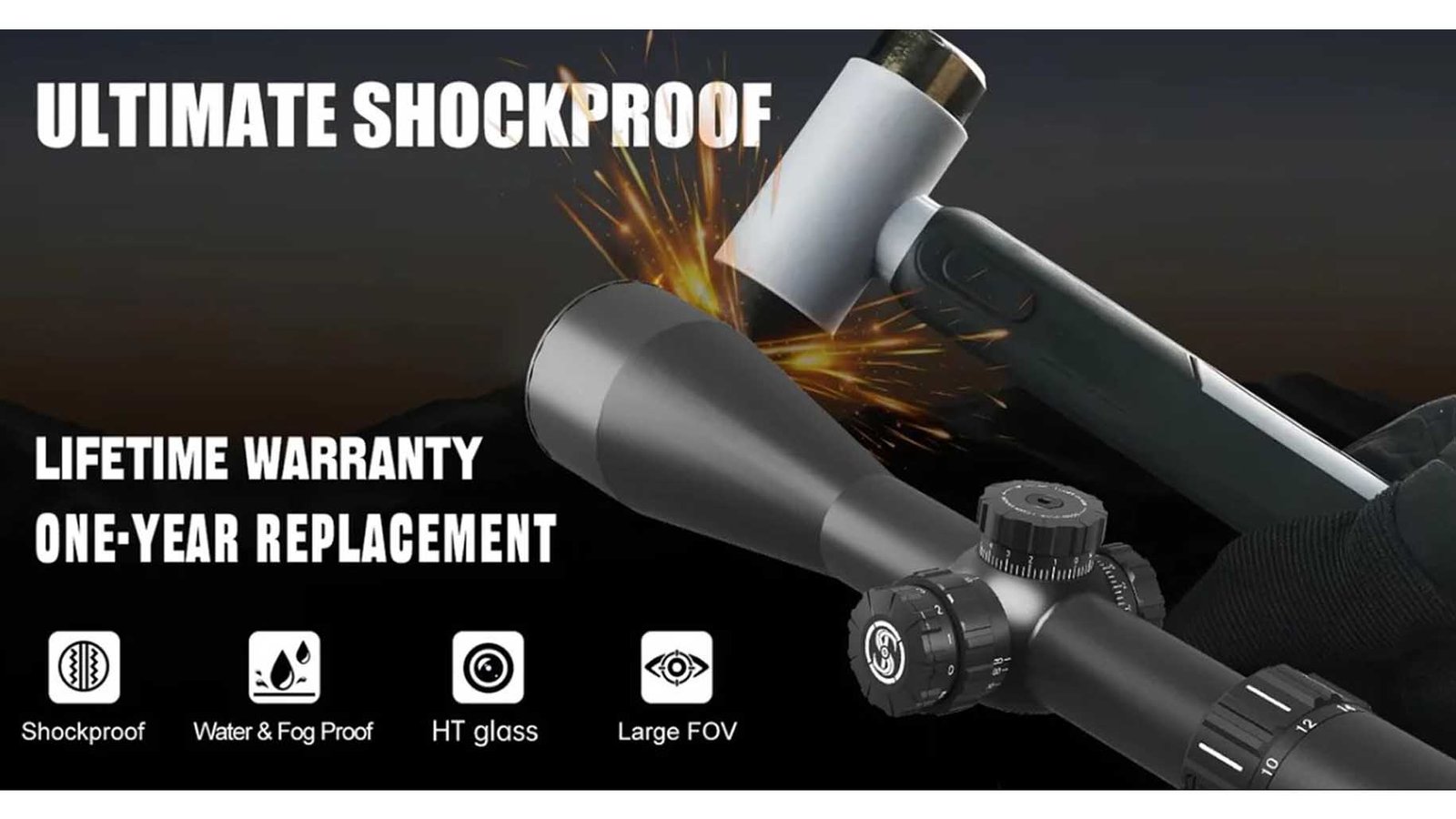
In the world of scope advertising, “aluminum alloy body” has become a standard phrase. But anyone with knowledge of materials science knows that not all aluminum alloys are equal—the difference can even determine whether a piece of optical gear qualifies for military procurement. STISA’s choice of 6065 high-strength eco-friendly aluminum alloy is not a marketing gimmick. It’s a rational decision based on the demands of tactical operations.
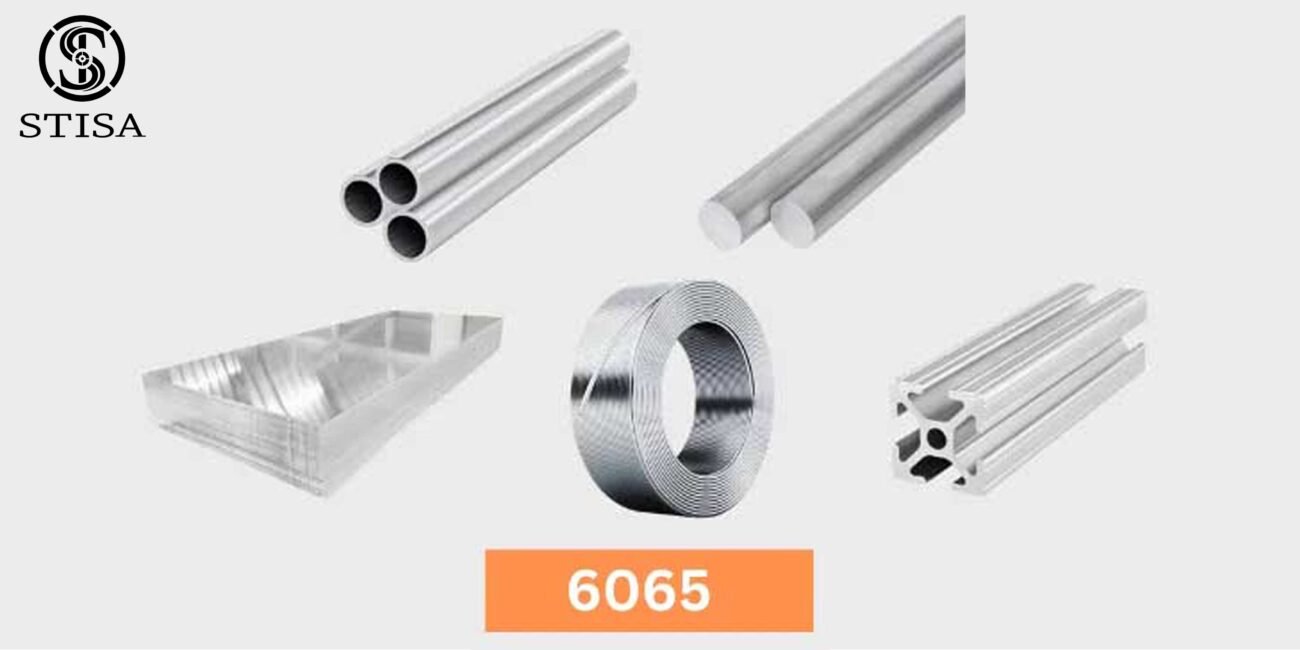
1. 6065 vs 6061: A Difference Military Users Spot Instantly
Most civilian-grade scopes use 6061 aluminum alloy, which offers moderate strength and low cost. However, 6065 aluminum boasts a higher yield strength and superior hardening capabilities, giving it far better impact resistance—especially for high-caliber weapons or high-vibration scenarios. STISA makes no compromise here, aligning directly with military-grade standards.
Pain Point Addressed: When “high strength” sounds like empty jargon, STISA proves material upgrades deliver real protection and precision.
2. Alloy Is Not Just the Shell—It’s the Backbone
Some brands use premium material only for the exterior while still relying on cheap internal components. STISA’s entire structure—tube body, mounting ring, focusing bracket—is CNC-machined from a single block of 6065 alloy. This ensures full structural integration, dramatically improving stability and optical axis alignment.
Pain Point Addressed: Users fear misalignment due to loose components—STISA’s solid construction ensures nothing comes apart under pressure.
3. Certified by Professional Testing: Passes Military Drop & Vibration Standards
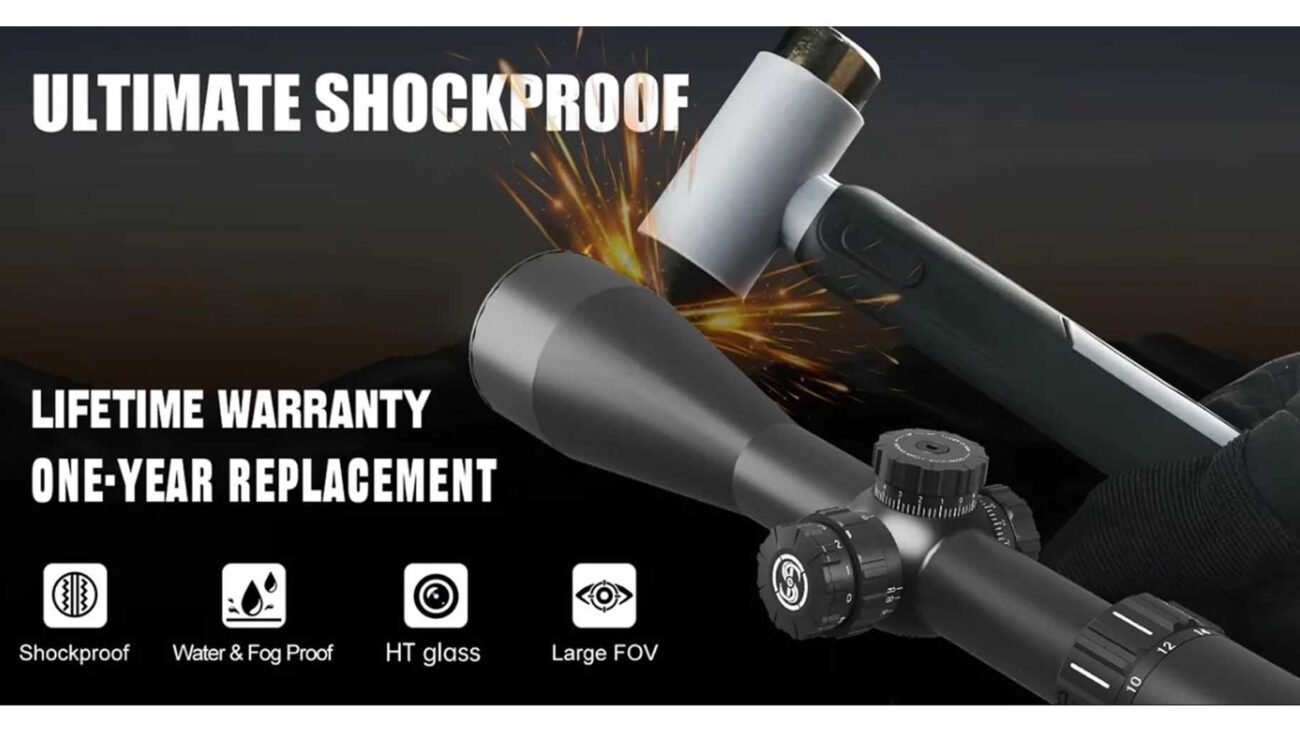
6065 aluminum was originally developed for industrial and military machinery. Its use in STISA scopes is backed not only by lab testing but also by field verification during international police and military deployments. The scopes have passed 3-meter drop tests, all-weather shooting trials, and extreme durability benchmarks.
Pain Point Addressed: Customers worry about buying “beta products”—STISA provides test data and proven performance to build trust.
4. Exceptional Rigidity with Maintenance-Friendly Design
Some high-strength materials are difficult to maintain or service. In contrast, 6065 offers excellent machinability and welding compatibility, making future upgrades, recalibrations, or repairs more efficient.
Pain Point Addressed: Users fear rugged scopes are sealed and hard to maintain—STISA strikes the balance between structural strength and serviceability.